Briefly:
• Facilities in Woodside needing industrial ventilation equipment can source roof exhaust fans, centrifugal blowers, inline fans, and related equipment from a local supplier with warehouse stock.
• Proper fan selection depends on facility type, contaminant load, and applicable safety regulations.
• Comparing drive types, mounting configurations, and airflow ratings before purchasing helps avoid costly mismatches.
Facilities managers sourcing ventilation equipment for warehouses, commercial kitchens, or manufacturing spaces benefit most from working with a supplier that stocks a broad range of industrial-grade products and can match equipment to specific airflow demands. An industrial ventilation fan supplier with warehouse inventory and multi-manufacturer access reduces lead times and simplifies the selection process considerably.
What Industrial Ventilation Fans Are Used For
Industrial warehouses and other industrial businesses need proper ventilation to keep the surrounding air clean and safe to breathe, and a proper ventilation system removes contaminated air and replaces it with clean air. The equipment category spans several product types, each suited to a different application.
Fans are an essential part of ventilation systems and have a crucial role in improving indoor air quality, helping remove moisture, smoke, and heat as well as balance temperature. Beyond general comfort, ventilation is often a regulatory matter. OSHA’s 29 CFR 1910.94 outlines requirements for adequate ventilation to control contaminants like dust, fumes, and vapors.
Common industrial fan categories include:
• Roof exhaust fans – commonly used for overall ventilation or the local extraction of odor, dust, and heat; reliable and efficient, promoting air circulation and reducing hot air buildup; suitable for mounting on any flat or shaped roof.
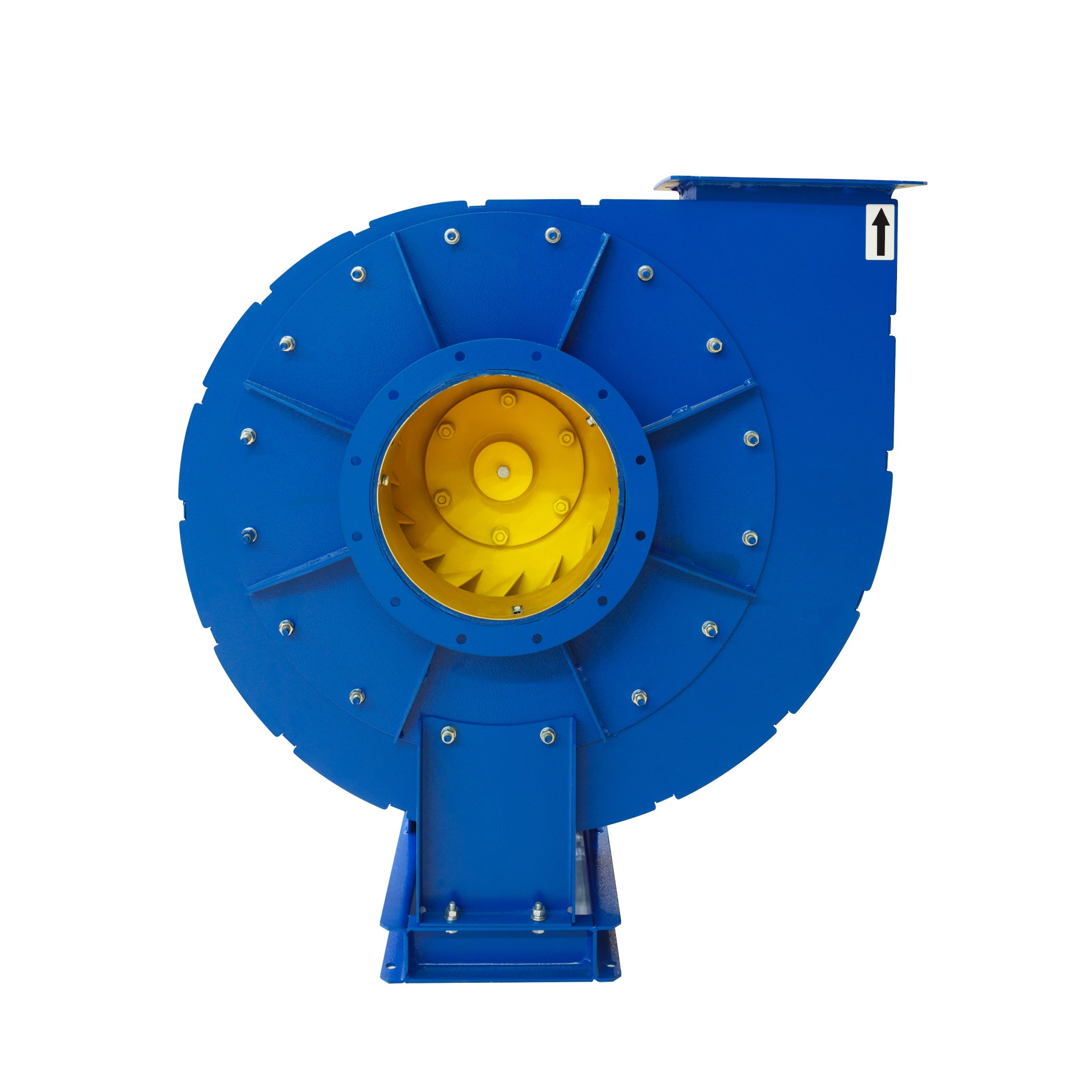
• Centrifugal blowers – used in applications requiring high static pressure, such as dust collection and fume extraction.
• Inline exhaust fans – installed within ductwork runs where ceiling or wall mounting is not practical.
• Downblast exhaust fans – discharge air downward away from the roofline, preferred in grease-laden kitchen environments.
• Explosion-proof fans – required in spaces where flammable vapors or gases may be present.
Comparing Key Fan Types for Industrial Use
Choosing the right configuration is as important as choosing the right capacity. The table below outlines the most common options facilities encounter.
|
Fan Type |
Typical Application |
Drive Option |
|
Roof exhaust fan |
General warehouse, manufacturing |
Belt or direct drive |
|
Centrifugal blower |
Dust collection, fume control |
Belt or direct drive |
|
Inline fan |
Ductwork systems, tight spaces |
Direct drive |
|
Downblast fan |
Commercial kitchen exhaust |
Direct drive |
|
Explosion-proof fan |
Hazardous / flammable environments |
Direct drive |
A direct drive exhaust fan boasts many advantages over a belt drive fan; since direct drive fans have fewer parts, they require less maintenance, typically consisting of only a motor, fan, and coupling, and they are usually more compact, making them a good choice when space is limited.
How to Select the Right Industrial Ventilation Fan
Matching equipment to a facility requires evaluating several variables before placing an order. To compare commercial roof exhaust fans, you should look at the average maintenance for the system, the costs associated with repair, the fan’s ability to capture contaminants and exhaust them from the building, and the capabilities to exhaust varied contaminants in the air.
Key selection factors to review:
1. Cubic feet per minute (CFM) requirement – calculated from room volume and required air changes per hour.
2. Static pressure – accounts for duct length, bends, and resistance in the system.
3. Motor type – standard, ECM (electronically commutated), or explosion-proof, depending on the environment.
4. Mounting configuration – roof curb, wall bracket, or inline duct connection.
5. Noise rating – relevant in occupied commercial spaces adjacent to industrial areas.
Depending on the substances you work with, there may be laws governing the use of a ventilation system for your business, so confirming compliance requirements with a qualified professional before finalizing equipment specs is advisable.
Frequently Asked Questions
What is the difference between a commercial and an industrial exhaust fan? Commercial exhaust fans are designed for moderate airflow needs, while industrial exhaust fans handle larger volumes of air and more demanding environments.
Do roof exhaust fans work on pitched roofs? Roof exhaust fans are suitable for mounting on any flat or shaped roof, though curb height and flashing requirements vary by pitch and manufacturer specification.
What brands are typically available from a ventilation equipment supplier? Broan, Panasonic, Chelsea, PennBarry, and Brundage fans are among the top name-brand fans available from established distributors. Trusted exhaust fan distributors also carry ventilators, blowers, and other air handling equipment from over 50 leading manufacturers.
What maintenance does an industrial exhaust fan require? Regular inspection of motor bearings, belt tension (on belt-drive units), blade condition, and housing integrity keeps systems running efficiently. Direct-drive models generally require less routine service than belt-drive alternatives.
Work With a Local Supplier in Woodside
BF&B is the New York Metro area’s leading supplier of ventilation equipment, with a huge stock of equipment in its own warehouse, conveniently located in the Woodside area of Queens. Brooklyn Fan & Blower Sales Co carries residential, commercial, and industrial fans and blowers across a wide range of categories, making it a practical first stop for facilities managers sourcing ventilation equipment in the region. Reach the team by phone at 718-899-9090 or by email at sales@brooklynfan.com to discuss specifications and current inventory.