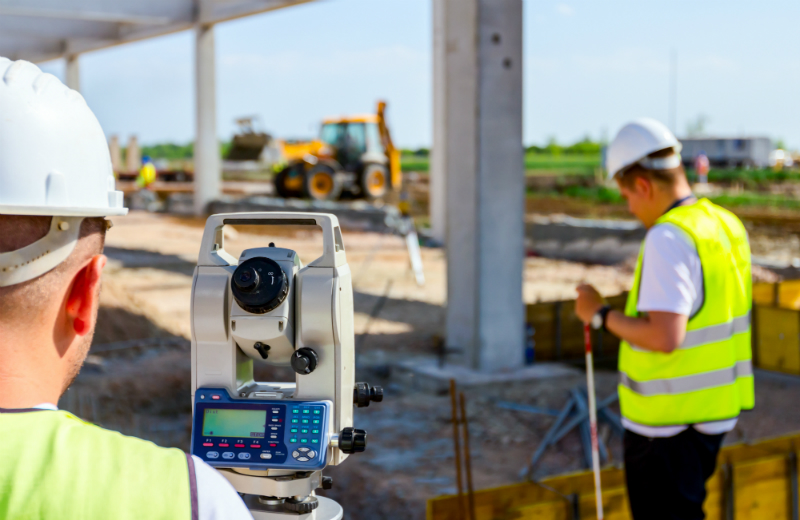
Industrial projects in Plymouth often involve growing manufacturers rather than first-time developments. An industrial construction contractor in Plymouth, WI, approaches these projects with an emphasis on future expansion because facilities must adapt to changing production volumes, equipment upgrades, and workforce growth without major disruption.
Anticipating Operational Growth From the Start
Industrial facilities are rarely static. Contractors plan structural layouts that allow for future bay extensions, mezzanine additions, or equipment relocation. Column spacing, foundation capacity, and roof loading are evaluated beyond current needs to reduce reconstruction when operations scale.
Infrastructure Designed for Scalable Systems
Electrical distribution, mechanical capacity, and utility routing are often oversized intentionally. An industrial construction contractor in Plymouth, WI, coordinates with utility providers and engineers to design systems that can support increased demand. This approach minimizes shutdowns and avoids invasive retrofits during later expansion phases.
Phased Construction Around Active Operations
Many industrial projects occur on active sites. Contractors develop phased construction plans that separate work zones from operating areas. Scheduling accounts for shift changes, equipment downtime, and safety barriers to maintain production continuity while construction progresses. This operational sensitivity defines industrial construction execution.
Long Term Asset Protection
Expansion readiness also protects asset value. Materials, joint systems, and structural connections are selected to integrate seamlessly with future construction. These decisions reduce long-term costs and extend facility service life across multiple growth cycles.
Within Plymouth, WI, companies such as Elite Builds operate in this expansion-focused environment, supporting industrial facilities designed for adaptability rather than short-term capacity alone.