Every major cloud provider seems to be building in Texas right now. Dallas-Fort Worth, San Antonio, and the corridor around Austin have turned into one of the fastest-growing data center markets in the country, driven by cheap land, available power, and a business-friendly regulatory environment. That growth is creating a security problem most people outside the industry never think about.
Data Centers Are Not Normal Buildings, Security-Wise
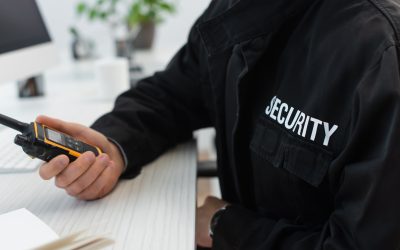
A retail store worries about shoplifting. An office worries about after-hours break-ins. A data center has to worry about both physical intrusion and the fact that a single unauthorized person on the floor can represent a massive liability, whether that’s data exposure, sabotage, or just a compliance violation that costs a client contract.
Access control at this level isn’t a keycard and a camera. It’s layered: perimeter checks, visitor logging, escort requirements for anyone not on staff, and guards trained specifically to understand why the protocols exist rather than just following a checklist. A guard who doesn’t understand the stakes of a data hall is a liability, not a solution.
It’s Not Just Data Centers
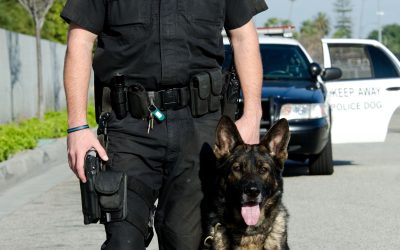
Texas’s broader corporate growth has the same effect on office campuses and industrial parks. Companies relocating headquarters to Texas from higher-cost states are bringing corporate security expectations with them, things like controlled visitor access, coordinated security for executive floors, and after-hours patrol standards that a lot of existing Texas commercial properties simply weren’t built around.
Construction hasn’t slowed down either. New corporate campuses and data center builds mean active job sites sitting on expensive equipment and materials, which brings the same theft exposure seen in other fast-growing states, just at a larger scale given how big some of these Texas projects are.
Licensing Matters More Than People Realize
Texas has its own guard licensing requirements through the Department of Public Safety, and it’s worth confirming a provider’s license number before signing anything, especially for something as sensitive as a data center contract. This isn’t the place to go with the cheapest bid without checking credentials first.
Charlie Mike Protective Services holds Texas licensing and covers data center security specifically, along with the broader range of armed, unarmed, and executive protection services that corporate clients in the state tend to need as they scale up operations here.
Growth Doesn’t Wait for Security to Catch Up
Texas’s expansion in tech infrastructure and corporate relocation isn’t slowing down, and the security expectations that come with that growth aren’t optional add-ons anymore. Companies building or leasing in Texas right now are better off getting security planning right from the start than retrofitting it after a breach or a loss makes the gap obvious.